
First of all, even if you aren’t a drug user, the overwhelming odds are that you know someone who is. This person may be your brother, your neighbor, or your priest. They may be your mother, your father, your surgeon, or the police officer who last pulled you over.
I find that the majority of protests and disagreements that I hear when bringing up the subject of prohibition fall into one of two categories: they are either based on shock value – “oh my God, you want heroin to be legal?!” – or they are based on pseudo-scientific bachelor’s degree level information. Either way, they rarely hold up to even mild scrutiny, and most people who hold such views can’t defend them when pressed.
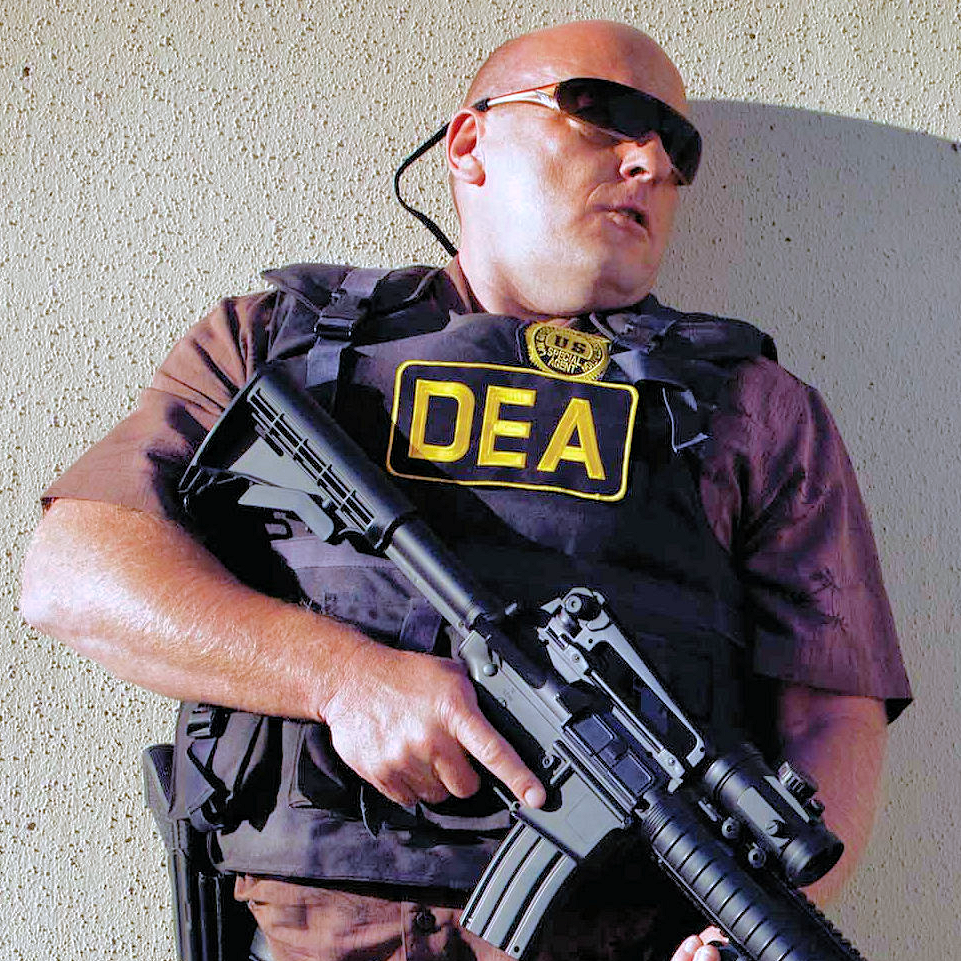
Secondly, if you’re lucky enough to not be an addict yourself and not know anyone who is, you’re subsidizing the “War on Drugs” through your tax dollars (and the price tag is in the trillions of dollars). You can read more about that here. There’s no end in sight to the waste this war is causing, either. Since Nixon declared “drug use public enemy number one,” drugs have only become more ubiquitous. We won’t win this war by funding the DEA, the police, or the military with enough bullets. Nor will we win it by sealing our nation off with walls. Most currently prohibited substances can be grown in your backyard, so this isn’t a border issue, it’s a domestic issue. Through taxation, we’re all forced to participate even if we have never smoked a joint, let alone injected methamphetamine.

Finally, you should care because of the human element to this unwinnable war. As we speak, someone is being subjected to inhumane treatment by being forced to urinate in a plastic cup in full view of another adult. Someone is losing their livelihood because they were caught with narcotics. Someone is sitting in a jail cell because they are addicted to heroin and got pulled over after purchasing what amounts to medicine for them (addiction is a disease, after all), and someone is being forced to choose between paying their rent or going through withdrawal. In the time it took you to read this, someone’s son or daughter just died due to an opioid overdose. This should give everyone pause.
How would legalizing drugs prevent overdoses?

Before we can answer that question, we need to dispel some of the myths and scare tactics that many of us believe and have been instilled with from a young age. I can remember growing up and thinking that heroin was the most dangerous, most terrible drug on the planet thanks to the government’s “D.A.R.E.” program. Little did I know that heroin is the colloquial term for diacetyl-morphine, which is just another form of the same drug that millions of doctors have prescribed for pain since time immemorial. It wasn’t until I was in my late 20s that I began to question some of the myths I had been taught. Some of you may be asking yourselves the same questions I had.
“Why is one form of morphine so much worse than another?”
It isn’t. “Heroin” – so named because the euphoria it produces makes users feel heroic – is made by boiling morphine with acetic anhyrdride. During this process, the morphine picks up two acetyl groups, becoming diacetyl morphine. “Di” means two and “acetyl” means that it has acetic acid (the main component in vinegar) molecules attached to it. These acetyl groups make heroin cross the blood-brain barrier more quickly, but in the process, they are stripped off of the molecule, so by the time they attach to the receptors in the user’s brain, they’re just plain old morphine. So, it’s not “worse” than morphine, it just has a faster onset of action.
“Why are drugs so dangerous?”

They aren’t (when users know what and how much they’re doing). Ask yourself why one beer isn’t fatal. I know it sounds silly, but I’m going somewhere with this, I promise. Have you ever drank one beer or shot of whiskey and got so inebriated that you almost died? No? Why do you think that is? Is it because alcohol is inherently safer than opiates? The answer is that because alcohol is legal, it is produced safely, in controlled laboratories (we call them breweries and distilleries), and the amount of alcohol is known before you consume the product. If alcohol were illegal still, you’d be forced to take a gamble with your life every time you wanted to have a beer (and in fact, during the 1920s, people often did). Thankfully, the United States hasn’t always been as crazy as it is today, and the 21st Amendment was passed, repealing alcohol prohibition, so today, you can enjoy your favorite IPA at a barbeque without risking blindness. The point is that most drugs are dangerous because they’re illegal, not because there’s anything particularly dangerous about them when the purity and contents are known. This has been demonstrated to be the case in other countries that have legalized or decriminalized drugs.
If drugs were legal, everyone would do them, and nothing would get done. People would just lay around all day getting high.

This is one of my favorite arguments some people make, because I can both prove them wrong and prove a moral point in the same argument. The proof that everyone wouldn’t do drugs is simple enough: Ask the person who made the argument if they would inject methamphetamine if it were legal. When they say “No, of course not,” while clutching their pearls, you can say, “I guess everyone wouldn’t.” Or, if you aren’t a naturally argumentative person or aren’t prone to debates (I am), you can simply point out that Denmark, Norway, Sweden, Portugal, and other nations that have taken this step don’t seem to be falling apart – in fact, Denmark, Norway, and Sweden in particular are often pointed to as model countries.
The moral point is as follows:
If the legality of a particular act is the only thing stopping its adoption, it probably shouldn’t be illegal.

While this may sound like a simplistic view, it’s the libertarian view in a nutshell. Or, if you prefer, the non-aggression principle. If murder was legal, would everyone kill people? Of course not. Murder is morally wrong. Drug use is morally ambiguous at best. Therefore, the decision to use drugs should be a personal choice available to people. People should have the right to consume whatever substances they wish, should they choose to do so. After all, plenty of dangerous and immoral things are still legal, like McDonald’s, gambling, alcohol, cigarettes and other tobacco products, Only Fans, etc. The list of legal dangerous or immoral products and actions is long. Prohibiting drugs is not only arbitrary, it’s dangerous.
Now, we’re armed with the information we need to answer the original question:
Legalizing drugs would prevent overdoses for the same reason that people don’t go blind from drinking gin any longer: Because when the purity, strength, quantity, and substance are known, adults are able to control themselves.
It really is that simple. We’re not advocating for anything crazy. We believe that adults are best able to make their own decisions without the government’s help.
We need to change our approach if we want different outcomes. Albert Einstein defined insanity as “doing the same thing over and over again while expecting a different result.” By his definition, continuing down the path of drug prohibition is insane.
It’s High Time for Change™