Morality and Drug Use
Is using substances immoral, and if so, where should the line be drawn? Are certain substances acceptable? How about certain amounts? What’s the difference between “problematic substance use”, “substance abuse”, and drinking? Join us as we unpack one of the most convoluted and ill-defined issues of our time.
Drugs are Bad, mmm’kay?
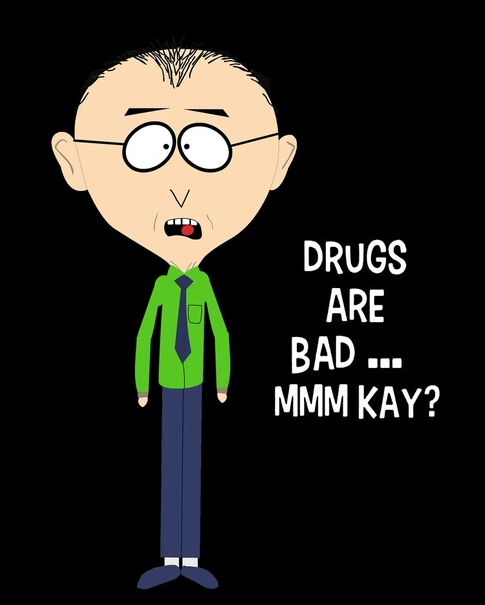
This is the depth of most people’s thoughts who believe that drug use should remain illegal. I call them “Mr. Mackey people” after Trey Parker and Matt Stone’s iconic elementary school guidance counselor. They aren’t bad people; they just haven’t given the issue any original thought whatsoever. Most of them are public educated, and as such, are victims of the government’s anti-drug propaganda. You can read more about that issue here. Regardless of the source of their ignorance, none of their arguments stand up to scrutiny.
If drugs aren’t immoral, why are they illegal?
Before we get into the reasoning behind the United States’ policy of prohibition, ask yourself this question: Do you think the government cares about you or your well being? Do you think that your safety is the primary driver of their policy decisions? If so, I implore you to rethink that position. Look at the modern American diet. If laws were enacted to keep you safe, McDonald’s would be illegal. It’s not, and we don’t think it should be, either. We just think that the same freedoms involved in choosing what you eat should apply to everything else you may want to put into your body.

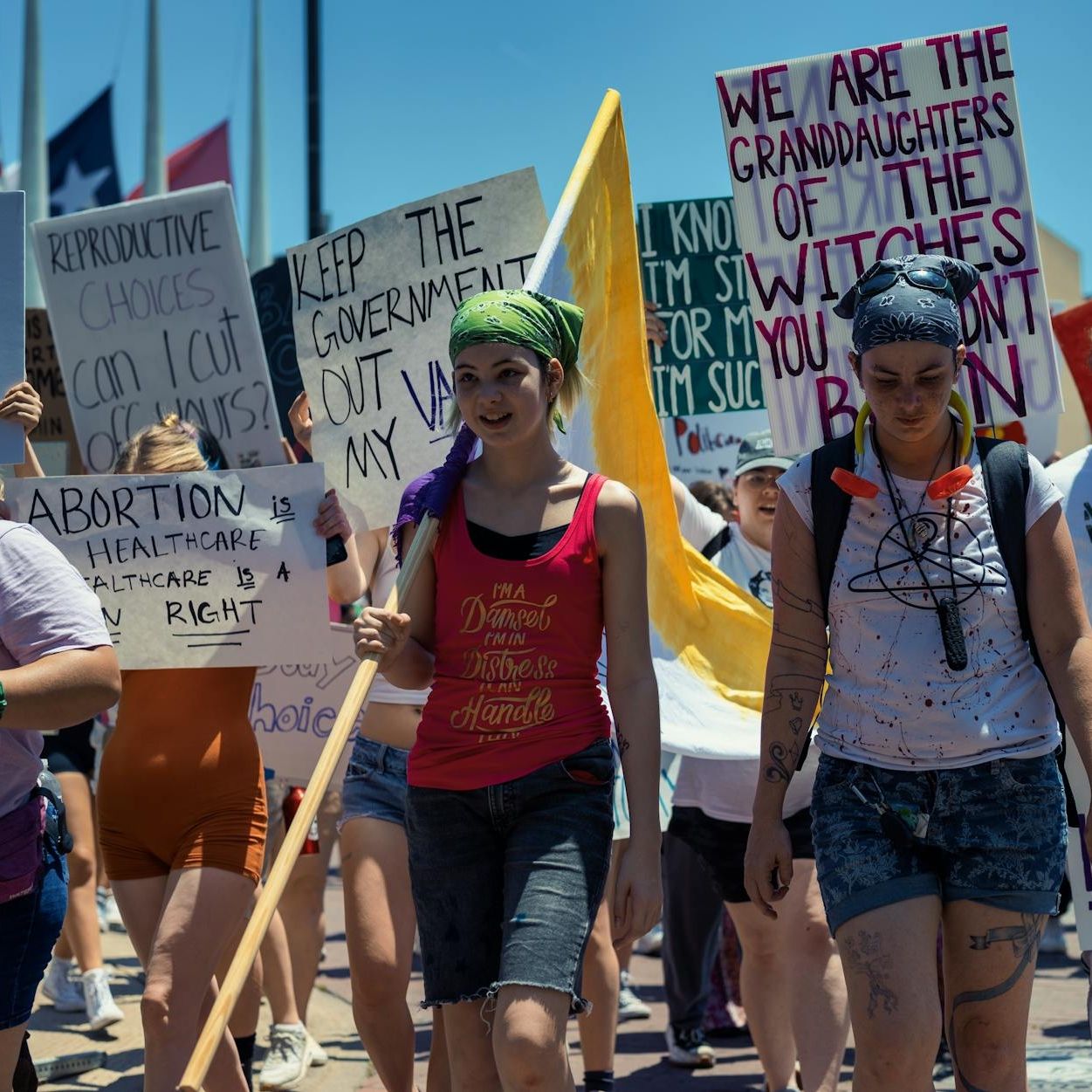
The “Pro-Choice” argument applies to drug use
I have been known to say “You can’t be “Pro-Choice” and “Pro-Drug Prohibition” while maintaining intellectual honesty and logical vigor. It’s not possible. The whole “Pro-Choice” movement holds that “personal bodily autonomy” is paramount. I’m not going to get into whether or not this argument makes sense for pregnant people, but I will co-opt their argument to convert anyone who considers themselves pro-choice and hasn’t thought about expanding the 21st Amendment to include all substances.
The DEA’s Skeleton in the Closet: Weed
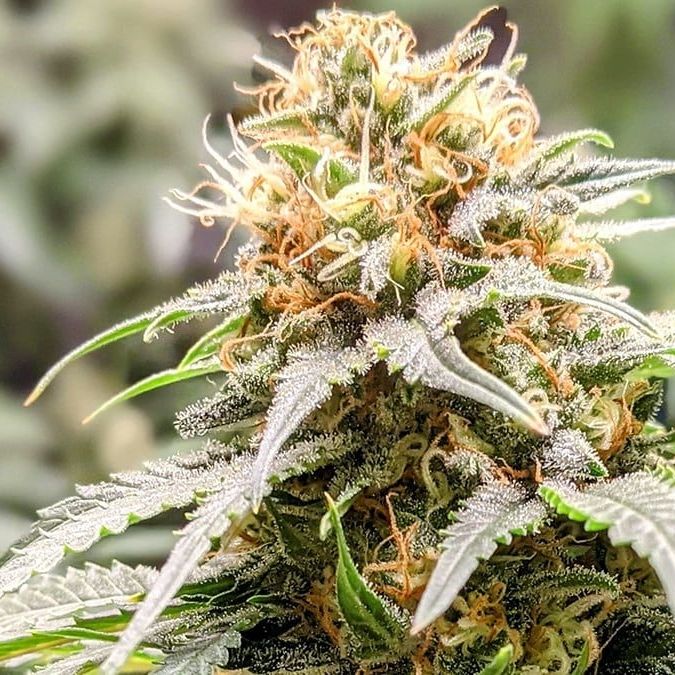
Marijuana, which has recently been the subject of much debate, was listed by the DEA in 1970 as a “Schedule I” narcotic, along with heroin, cocaine, and LSD. That alone should remove any and all doubts as to the government’s altruism. All substances have what is known as an “LD50” value. This is the amount of the drug that’s required to kill 50% of a test population. According to druglibrary.org, the LD50 value of marijuana is “about one-third your body weight, or about 1,500 pounds, consumed all at once.”1 This means that a 200 lb person would have to consume approximately 67 pounds of pure THC before they died. This makes THC not only safer than alcohol and tobacco, but also safer than caffeine, Tylenol, Advil, and virtually every other legal drug available.
We’ve established that drugs aren’t scheduled for safety purposes, so why are some legal while others aren’t?
Good question. Let’s dive a little deeper into the history of drug prohibition. In a nutshell, drugs were prohibited because of racism and xenophobia, and the government capitalized on people’s ignorance and fear of the unknown. Three of the major classes of substances that were outlawed are opiates, marijuana, and cocaine. Ironically, all three of these can be grown depending on your geographic location, and are relatively safe if quality is controlled.

1: Opium and the places it was consumed (Opium dens) were seen as a lure to white women, who, at the time, were viewed as being weak, feeble-minded, and susceptible to outside influences that men weren’t. Drug laws have always been steeped in racism, and opium has been perhaps the second-most racially targeted drug, second only to crack.
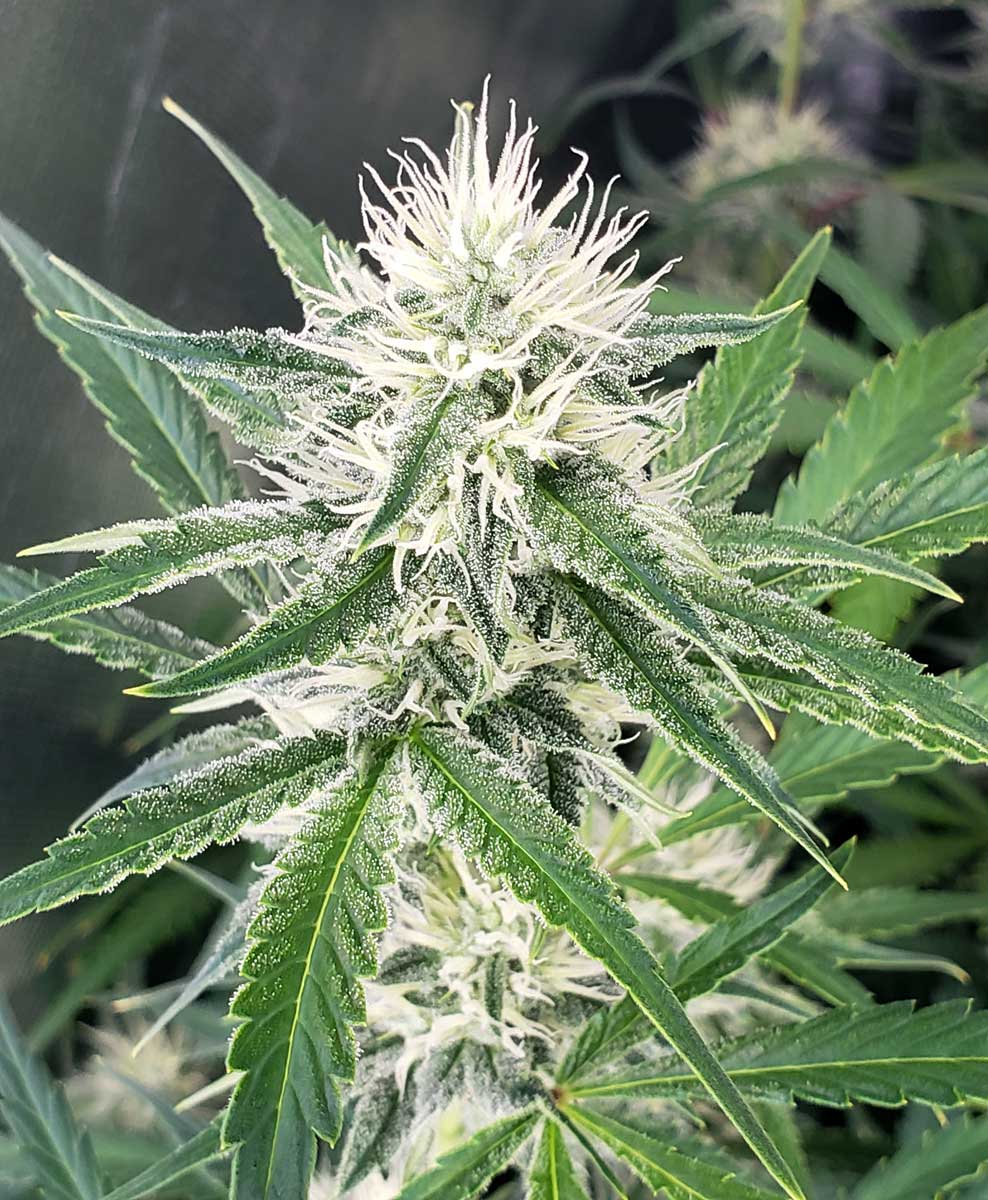
2: Marijuana was seen as a primarily Mexican influence, and was scheduled along with Heroin as a Schedule I substance (meaning that according to the DEA, it had no legitimate medical uses. This is surprising, since it is one of the best cancer symptom treatments available, and has myriad other uses as well. The fact that this 100% organic, naturally-occurring substance was ever subjected to the DEA’s unconstitutional scheduling system stands as testament to the fact that it was never about public safety.

3: Crack was seen as black only issue – while cocaine, which is the same exact drug, was seen as a white-collar (no pun intended) drug. People were sentenced to hundreds of times longer prison sentences for possessing the same exact amount of the same exact drug, but in a different form. Imagine being sent to prison for 10 years for getting a DUI/DWI while being drunk on liquor, as opposed to getting your license suspended for 6 months for being drunk on beer. That’s the logic of the DEA’s policy on crack/cocaine.
It’s not about safety. It never was.

If it’s not about safety, then what’s the reason? There are only two options that make sense: Either the government is misguided but well-meaning (laughable), or it’s about control. I know I sound like a tinfoil hat-wearing conspiracy theorist when I say that, but it’s true. Our government is out of control. Last year, the federal government spent over $50,000,000,000.00 on the “War on Drugs.” The result? Enough Fentanyl crossed the border to kill every man, woman, and child twice. This isn’t an exaggeration. This doesn’t even include other narcotics, such as cocaine or methamphetamine.
If you or I performed as poorly as the DEA at our jobs, we would be let go, and for good reason.
The government’s policies towards drugs aren’t based on data, analysis, results, public safety, or any other virtue or metric of success. They are based on control. They are based on flawed data, quick one-liners, cheap shots, and slogans. As such, they are ineffective and shallow. They don’t work, they never have, and they never will. You can’t legislate human behavior away.
Let’s say “No more.” No more death, no more refusing to budge on policy, no more wasted taxpayer money, no more prison sentences for possessing “forbidden substances”, no more gang violence, no more cartels, no more urinalyses, and no more civil rights violations. If you’ve had enough, and you’re ready to join the fight, sign our guestbook, download and print our letter to your representatives, and consider donating to us. Thanks for reading!
