What if alcohol were still prohibited?
It’s hard to imagine that there was a time when alcohol was illegal in the United States. In America, beer is almost synomyous with summer barbecues and good times. Absolut Vodka goes with clubs. Alcohol is associated with good times. Then, in 1920, prohibition reared its ugly head and began causing all sorts of problems, claiming lives, creating career criminals, and ruining families.
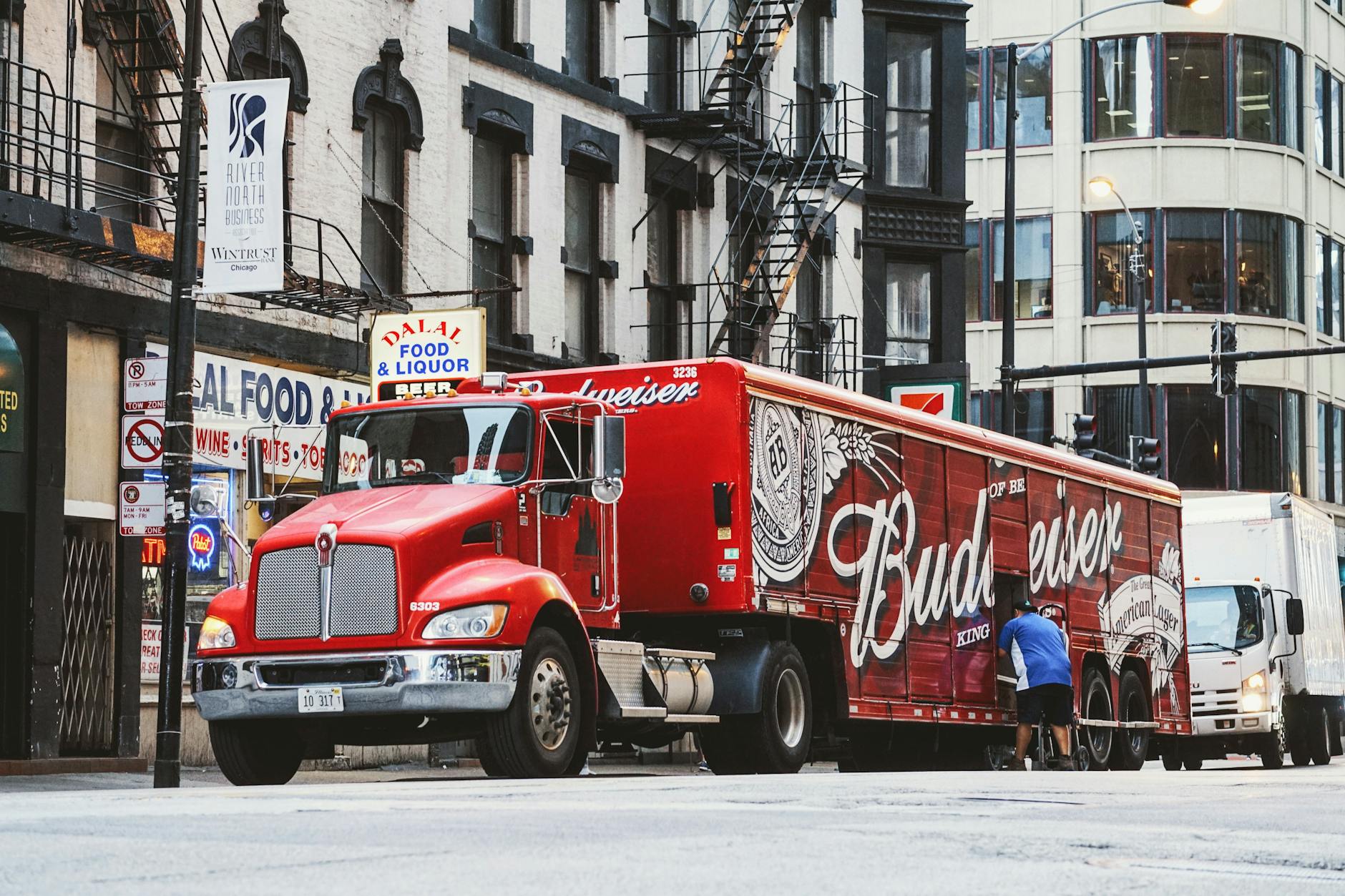
The 18th Amendment prohibited alcohol, making the sale, transfer, and possession of it illegal. Overnight, gangs took over the sale, production and distribution of alcohol. Many people, who had no say or power over the government’s tyranny, attempted to produce their own spirits, sometimes with dire consequences. “Bathtub Gin”, so called due the fact that the berries were often fermented secretly in bathtubs, often had lead and other chemical impurities that made those who consumed it blind. It wasn’t until the 21st Amendment, sum 13 years later, that the nation, which had grown weary of the gang violence that prohibition brought into being, came to its collective senses and Congress passed the 21st Amendment. Prohibition had been repealed.
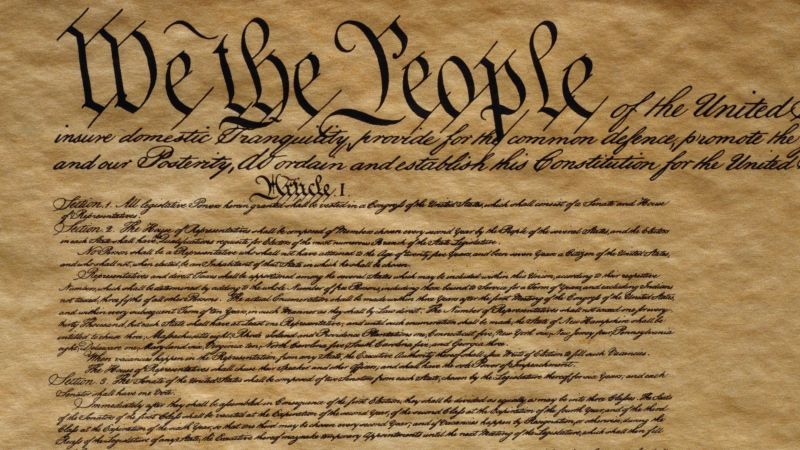
This article will explore what the country might look like if alchohol prohibition hadn’t been repealed by the 21st Amendment.
Criminal Enterprise
Firstly, the criminal justice system would be profoundly impacted. The prohibition era in the early 20th century saw a significant rise in organized crime, fueled by the lucrative trade in illegal alcohol. If Prohibition had continued, it is likely that organized crime would have maintained its strong foothold in society. The infamous figures of the time, such as Al Capone, would have continued to amass power and wealth. The ongoing battle against organized crime would also likely strain law enforcement resources, potentially leading to further corruption within the system.
Economic Impact
The economy would also look very different. The alcohol industry, which is a significant contributor to the economy in terms of jobs and tax revenue, would not exist in its current form. The speakeasies and bootlegging operations of the 1920s would have evolved into more sophisticated and widespread networks, potentially becoming a significant part of the underground economy. You can read more about the cost of drug prohibtion here.

Social Effects
The social fabric of the nation would also be altered. The cultural shift away from saloons and towards restaurants during the original Prohibition era would have continued. Eating patterns and social norms around dining out would likely be different. Moreover, the stigma and risks associated with consuming alcohol would make it a much more clandestine activity, potentially leading to less open discussion about responsible drinking and the dangers of alcohol abuse. More people would have died.

Effects on Health and Wellbeing
The health of the nation could also be affected. During the original Prohibition, there was an increase in the consumption of potentially dangerous substitute products, such as patent medicines with high alcohol content. If this trend continued, it would lead to a different set of public health challenges, such as blindness due to the consumption of adulterants and impurities introduced during clandestine manufacture.

International Relations
In terms of international relations, the United States would stand out as a unique case among developed nations. Most other countries have regulated alcohol consumption rather than outright banning it, which would make the U.S. an outlier in the global community. Furthermore, the export and sale of alcohol to other nations would not take place, costing the country billions of dollars.
Conclusion
Had the United Sates continued prohibition of alcohol, it would have had far-reaching implications across various aspects of society. The criminal justice system, economy, social norms, and public health would all be significantly impacted. While it’s impossible to predict the exact outcomes, it’s clear that the country would be a very different place today if alcohol was still prohibited.
The similarities to drug prohibtion are alarming. People are dying due to the fact that there is no safe supply of recreational narcotics. We enjoy our libations in America. Let’s add more of them, safely, and end the government tyranny that is drug prohibtion. It didn’t work for alcohol, and it’s not working with drugs.
“The definition of insanity is doing the same thing, and expecting a different result.” – Albert Einstein
