COVID-19 vs. the Opioid Epidemic
The COVID-19 pandemic and the opioid epidemic are two of the most significant public health crises in recent U.S. history, but their impacts and responses have been markedly different. While COVID-19 captured global attention with its rapid spread, the opioid epidemic has quietly become the leading cause of death among young adults in the country.

COVID-19: A Global Pandemic
COVID-19, caused by the SARS-CoV-2 virus, led to a swift global response. Governments worldwide implemented lockdowns, travel restrictions, and mass vaccination campaigns. Despite the initial fear and significant disruptions, the overall mortality rate of COVID-19 was lower than many early predictions, primarily affecting older adults and those with preexisting health conditions.

Opioid Epidemic: A Silent Killer
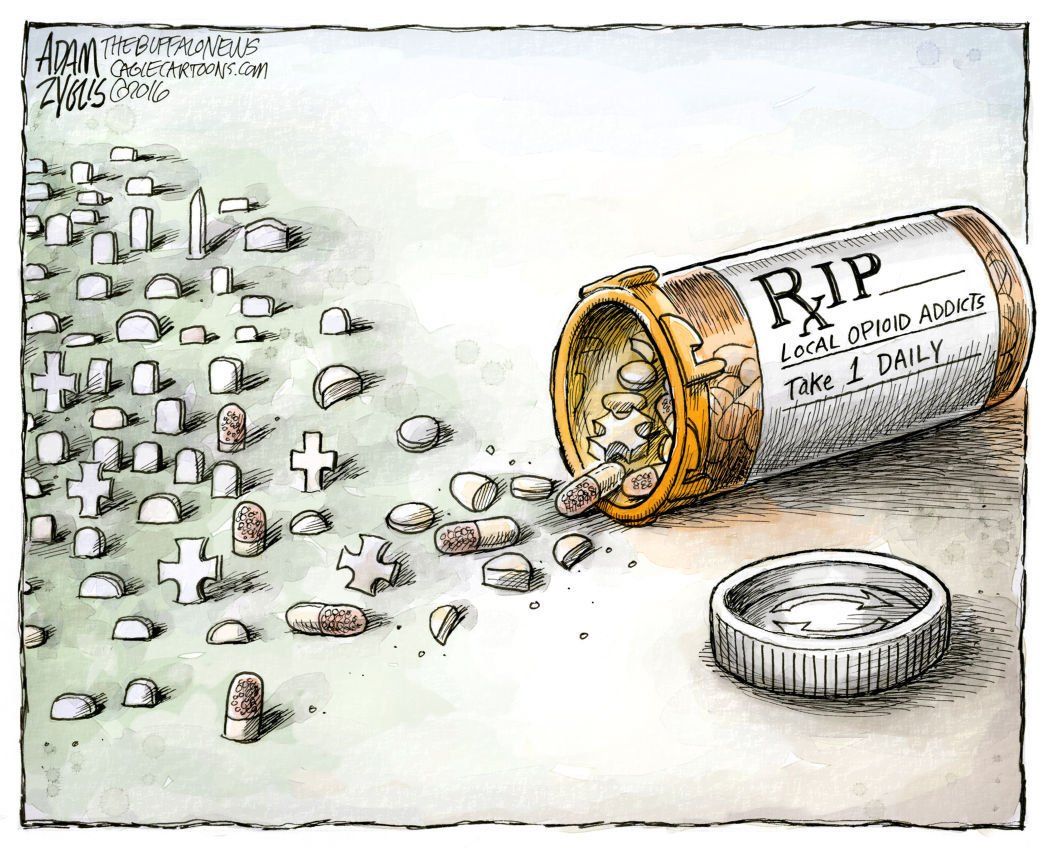
In contrast, the opioid epidemic has steadily claimed lives over the past two decades. With over 600,000 deaths attributed to opioid overdoses, it has become the leading cause of death among young adults in the U.S. This epidemic includes both prescription painkillers and illicit drugs like fentanyl, contributing to a dramatic rise in overdose fatalities.
Death Toll Comparison
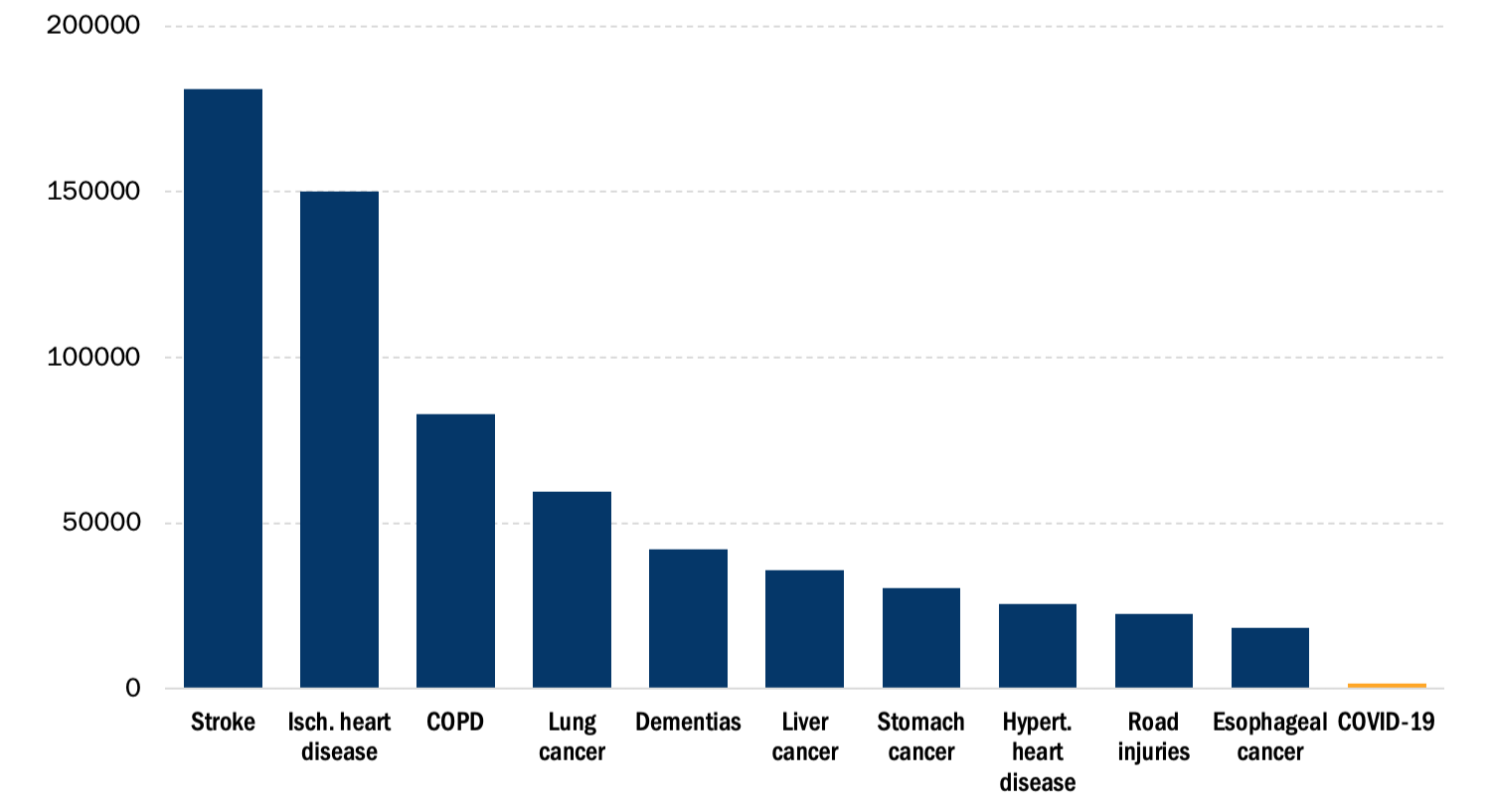
While COVID-19 has had a profound impact, with millions of infections and significant mortality, the death toll from opioids is starkly disproportionate. In 2021 alone, over 100,000 Americans died from drug overdoses, with opioids accounting for the majority, far surpassing the annual death rates of many other public health threats.

Public Response and Perception
The public and governmental responses to these crises have been markedly different. COVID-19 prompted immediate action, including emergency declarations, substantial funding, and widespread public health campaigns. In contrast, the opioid crisis has often been met with less urgency, despite its devastating impact on communities across the nation.
Why the Discrepancy?

Several factors contribute to the discrepancy in national response:
- Visibility – COVID-19’s immediate threat and visible impact were stark, while, until recently, the opioid crisis has been a slower, more insidious killer.
- Public Awareness – Media coverage of COVID-19 was relentless, whereas opioid deaths often go unnoticed outside affected communities.
- Policy Priorities – Resources for opioid prevention and treatment have historically lagged behind enforcement, limiting the effectiveness of responses.
- Stigma of Addiction – Despite the popular culture surrounding drugs and drug use, “being an addict” is still seen as a weakness and something to be hidden.
So, what do we do?
Addressing the opioid epidemic will require a shift in perspective, policy, and the help of everyone in America. Indeed, this should be an “all hands on deck” situation. Like the rapid mobilization for COVID-19, a comprehensive approach to opioids must include:
- Legalization or Decriminalization of Drug Use and Possession – Drug use and possession should be viewed as a personal choice, not a criminal act. With this one change, we could eliminate the majority of overdoses.
- Increased Funding for Prevention and Treatment – Allocate some of the resources saved by no longer persecuting, jailing, and imprisoning citizens to prevention, treatment, and recovery programs.
- Public Health Campaigns – Raise awareness about the dangers of opioids and highlight the available support.
- Policy Reform – Shift focus from punitive measures to public health strategies, emphasizing harm reduction and addiction treatment.
In Summary
While COVID-19 has been a defining global health challenge, the opioid epidemic remains the leading cause of death among young adults. A concerted, national effort is needed to address this crisis with the same urgency and resources that characterized the COVID-19 response. By prioritizing public health and comprehensive treatment, and shifting away from punitive measures, the U.S. can begin to reverse the devastating toll of the opioid epidemic.