Unmasking the Racism of Drug Prohibition: How Joe Biden’s 1994 Crime Bill Fueled Systemic Inequality
Drug prohibition in the United States has long been criticized not only for its ineffectiveness and punitive nature but also for its deeply rooted racial biases. The 1994 Crime Bill, officially known as the Violent Crime Control and Law Enforcement Act, was a pivotal piece of legislation that exemplified how drug laws disproportionately target and impact minority communities.

Drafted and championed by then-Senator Joe Biden, this bill has had lasting and devastating effects on African American and Latino communities, further entrenching systemic racism within the criminal justice system.
The enforcement of drug prohibition has always been selective, providing opportunities for racism through policing tactics.
Historical Context: Racism in Drug Laws
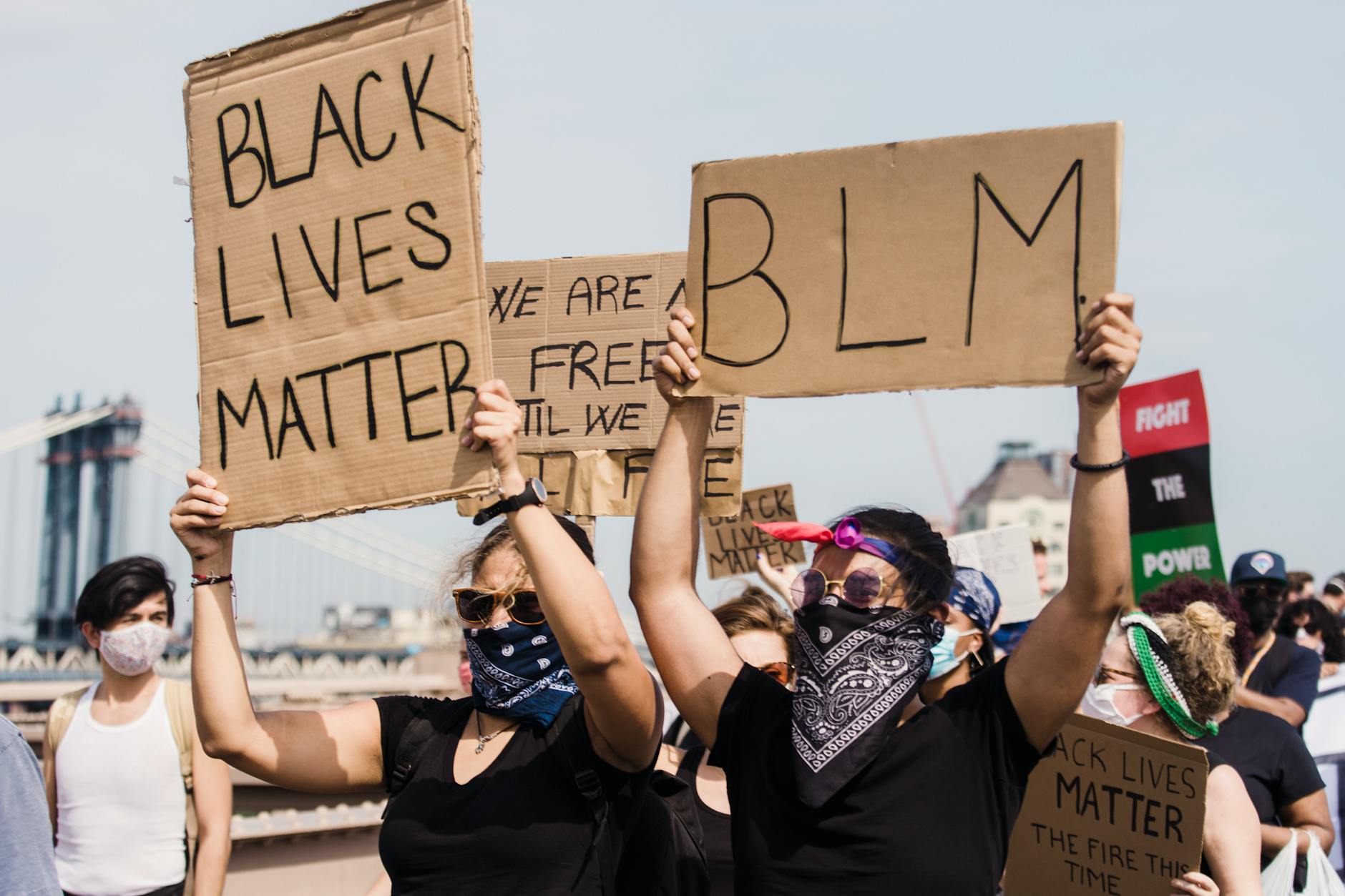
The racial biases in drug prohibition did not begin with the 1994 Crime Bill. The history of drug legislation in the United States is riddled with racially charged motives. For example:
- The Harrison Narcotics Tax Act of 1914 was initially targeted at Chinese immigrants who were associated with opium dens. This legislation was the first in a series of egregious oversteps of the federal government, culminating in the formation of the DEA, the ATF, and other three-letter agencies that routinely violate the rights of the American people.A Harrison Act Narcotics Tax Stamp.

- The Marijuana Tax Act of 1937: Influenced by racial prejudices against Mexican immigrants and African Americans, who were often associated with marijuana use, this is another example of racism and fear-driven policy making.

- The Anti-Drug Abuse Act of 1986: Introduced mandatory minimum sentences for drug offenses, including the infamous 100:1 disparity between crack and powder cocaine, which disproportionately affected African American communities. Under this legislation, a drug user caught with crack (the same exact substance as powder cocaine) received 100 times the sentence of a user caught with powder cocaine.

These examples illustrate a long-standing pattern of using drug laws as a tool to marginalize and criminalize minority communities.
Disproportionate Impact on Minority Communities
The provisions of the 1994 Crime Bill, which is the largest is U.S. history, exacerbated existing racial disparities in the criminal justice system. The following are real-world examples of legislation taken directly from it:
1. Mandatory Minimum Sentences and the Crack vs. Powder Cocaine Disparity
The continuation and reinforcement of mandatory minimum sentences under the 1994 Crime Bill disproportionately affected African Americans. The harsh penalties for crack cocaine, primarily used in black communities, versus powder cocaine, more commonly used by whites (even though powder cocaine is required for the hardest type of drug use – intravenous), resulted in stark sentencing disparities. Despite attempts to rectify this disparity in later years, the initial damage had already been done, leading to the disproportionate incarceration of African Americans.

2. Three-Strikes Rule
The three-strikes rule led to life sentences for repeat offenders, often for non-violent drug offenses. This rule disproportionately affected minority communities, who were more likely to be targeted by police and prosecuted for drug-related crimes. As a result, many African Americans and Latinos found themselves serving life sentences for relatively minor offenses, such as drug possession.
3. Increased Policing and Aggressive Enforcement
The funding for 100,000 new police officers resulted in more aggressive policing strategies, particularly in urban areas with high minority populations. The focus on “broken windows” policing meant that minor infractions often led to arrests, feeding into the cycle of mass incarceration. Minority communities were subjected to higher levels of surveillance and law enforcement intervention, contributing to higher arrest and incarceration rates.

4. Prison Construction and Mass Incarceration
The billions allocated for prison construction under the 1994 Crime Bill facilitated the expansion of the prison-industrial complex. This expansion was necessary to house the increasing number of inmates, a significant proportion of whom were incarcerated for drug offenses. African American and Latino men were disproportionately represented in this surge of incarcerations, highlighting the racial bias inherent in the system.

Long-Term Consequences
The long-term consequences of the 1994 Crime Bill continue to reverberate through minority communities, and is truly incalculable. The mass incarceration resulting from these policies has had devastating effects. Included among these are:
- Family Disruption: The removal of a significant number of African American and Latino men from their communities has led to the destabilization of families and communities, increasing the likelihood that their children will become addicts and criminals themselves. Data shows that the single largest predictor of future success is whether or not an individual grows up in a two-parent household.

- Economic Disadvantage: A criminal record severely limits employment opportunities, perpetuating cycles of poverty and economic disenfranchisement.
- Political Disenfranchisement: Many states disenfranchise individuals with felony convictions, disproportionately affecting African American and Latino voters and reducing their political power.
A Call for Reform

Joe Biden’s 1994 Crime Bill stands as a stark example of how drug prohibition policies perpetuate systemic racism, and how the Democratic Party in particular panders to African American voters. To address these deep-seated issues, comprehensive reform is necessary. This includes:
- Voting Joe Biden Out in November 2024: antiprohibit.org doesn’t endorse particular candidates, however, nothing is stopping us from pointing out the failures of existing ones. In that vein, we can’t expect any lasting change if we continue electing the same people who got us into this mess to begin with. Joe has got to go – along with his party of Democratic tyrants.
- Abolishing Mandatory Minimum Sentences: Shifting towards more equitable sentencing practices that take into account the specifics of the case in question, instead of simply “throwing the book” at every defendant. In other words, treat people as individuals.
- Ending the War on Drugs: Treating drug use as a personal choice, or at the very least a public health issue, rather than a criminal one.
- Investing in Community Programs: Redirecting funds from policing and prisons to education, healthcare, and economic development in marginalized communities.
- Expunging Criminal Records: Clearing the records of those convicted of non-violent drug offenses to restore their rights and opportunities.

Only through acknowledging and addressing the racist underpinnings of drug prohibition can we begin to move towards a more just and equitable society, and begin to heal the damage done by it. The legacy of the 1994 Crime Bill will always be one of racism and government tyranny. However, there is still time to change course and correct this government overreach. Thank you for reading this.
It’s High Time for Change.
